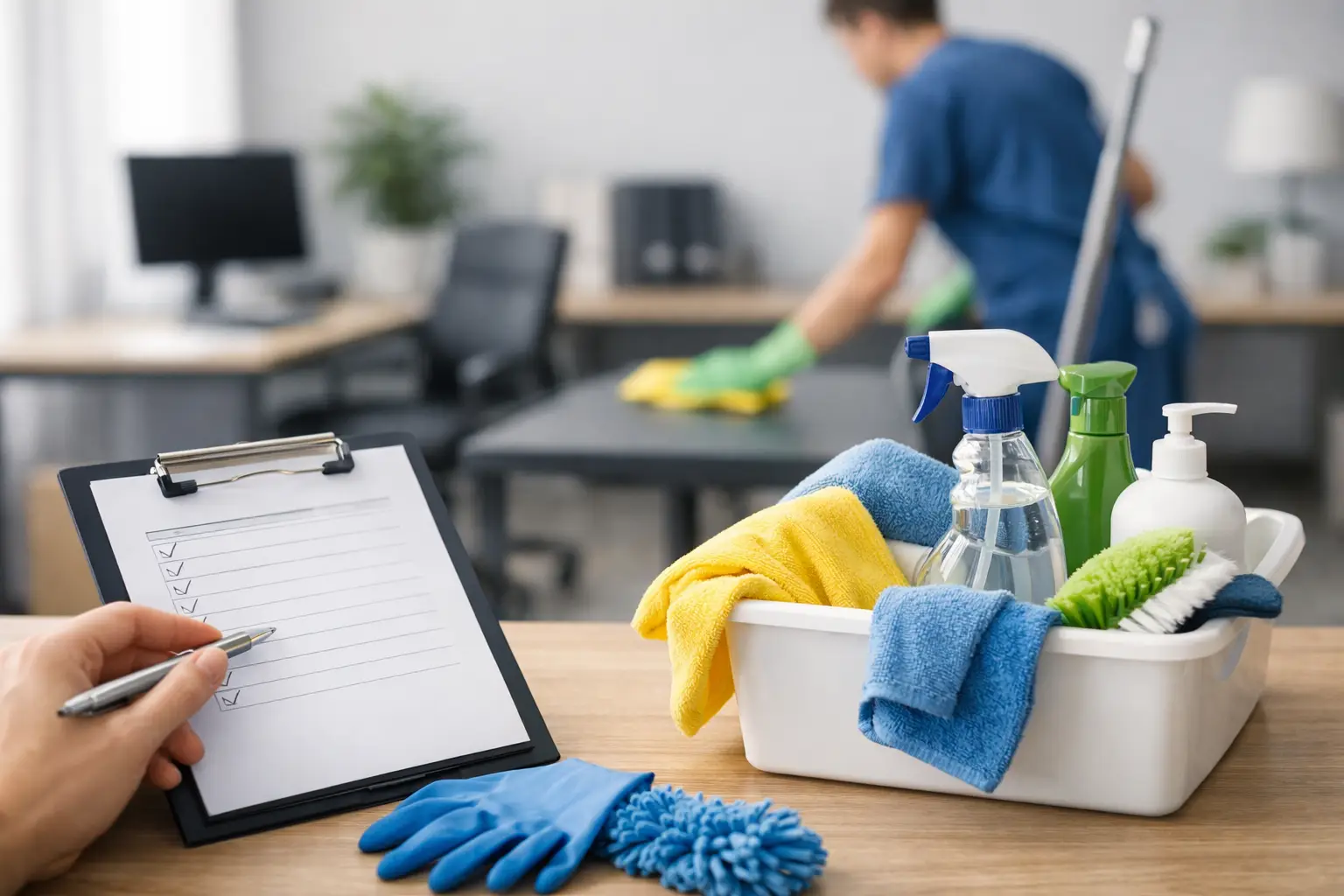
How to Plan Workplace Cleaning Effectively
A workplace can look presentable at 9am and still fall short of the standard employees, visitors and auditors expect. Overflowing washrooms, marked entrance floors, dusty meeting rooms and neglected touchpoints quickly affect confidence in the building. Knowing how to plan workplace cleaning means building a service around how your premises actually operate, rather than relying on a generic checklist.
For facilities and operations teams, the objective is not simply to keep a site clean. It is to maintain a safe, hygienic and professional environment with minimal disruption, clear accountability and the flexibility to respond when the building changes.
Start with a workplace cleaning assessment
A reliable plan begins with an accurate picture of the premises. Walk the site at different times of day where possible. An office can have very different demands before staff arrive, during peak occupancy and after visitors have left. Observe the routes people take, the spaces they share and the areas where standards fall away fastest.
The assessment should account for the building layout, surface types, occupancy, visitor volumes and business activity. Reception areas, kitchenettes and washrooms may need close attention every day, while archive rooms or low-use meeting spaces may require a different frequency. A shared workspace with hybrid attendance should not be treated in the same way as a fully occupied corporate headquarters.
Consider four practical factors when assessing each area:
- Footfall and how quickly the area becomes untidy or contaminated
- Hygiene risk, particularly in washrooms, kitchens and shared touchpoints
- Surface and equipment requirements, from natural stone to IT hardware
- Operational importance, such as client-facing rooms, server rooms and access routes
This process helps distinguish between visible cleaning needs and less obvious risks. A carpet may appear acceptable but retain soil in high-traffic walkways. A meeting room may be visually tidy while touchpoints, screens and shared equipment need more focused cleaning.
How to plan workplace cleaning by zone and risk
Once the assessment is complete, divide the premises into clear cleaning zones. This gives operatives a workable structure and makes it easier for managers to check that the right activity has taken place in the right place.
High-priority zones usually include receptions, entrances, washrooms, kitchens, breakout spaces, lifts and frequently used meeting rooms. These areas influence day-to-day hygiene and how the organisation is perceived. They typically need daily attention, with washrooms and kitchens often requiring additional daytime servicing depending on occupancy.
General office areas may need daily waste removal, vacuuming and desk-area cleaning, but the detail should reflect the agreed workplace policy. In some sites, cleaning around workstations must be completed after hours. In others, daytime operatives can manage waste, touchpoints and communal areas without interrupting staff.
Specialist zones should be planned separately, not added as an afterthought. Server rooms and IT environments require controlled methods that protect sensitive equipment. Hard floors may need periodic machine cleaning and maintenance to retain appearance and reduce slip risk. Stone surfaces, internal glazing, carpets and external windows each need appropriate products, equipment and trained operatives.
A zone-based plan makes the trade-offs visible. Increasing the frequency of cleaning in heavily used communal spaces may be more valuable than applying the same routine to every square metre. The right balance depends on the building, its occupants and the standards the organisation needs to maintain.
Set frequencies that reflect real use
Cleaning frequencies should be specific enough to be managed, but flexible enough to remain useful. A schedule that says a whole floor is cleaned daily does not explain which tasks are completed, when they happen or what quality looks like.
Separate routine cleaning from periodic work. Routine tasks include waste removal, vacuuming, washroom servicing, cleaning of kitchen surfaces and touchpoint disinfection. Periodic tasks can include carpet cleaning, high-level dusting, deep cleans, hard-floor maintenance, internal window cleaning and upholstery care. Both matter, but they serve different purposes.
Build additional visits or contingency arrangements into the plan for predictable pressure points. Events, board meetings, seasonal weather, office moves, construction works and periods of higher attendance can all change the workload. In Central London offices, wet weather can make entrance and lobby floors deteriorate quickly, so matting, spot cleaning and floor checks may need to increase at short notice.
It is also worth reviewing frequencies after mobilisation. A well-designed plan should be evidence-led, not fixed by habit. If waste volumes drop due to hybrid working, resources may be better directed towards daytime washroom checks, presentation of client areas or periodic maintenance that protects building finishes.
Choose cleaning times that support the business
The best cleaning schedule is one employees barely notice, while the results remain obvious. For many workplaces, early morning or evening cleaning allows teams to work without interruption. However, an out-of-hours service alone may not be enough for busy offices with all-day washroom, kitchen and reception demands.
A combination of scheduled out-of-hours cleaning and daytime support is often effective. Daytime operatives can respond to spills, replenish consumables, maintain washrooms and keep communal areas ready for visitors. Out-of-hours teams can complete more detailed tasks such as vacuuming open-plan offices, cleaning desks where appropriate and servicing meeting rooms.
Security, access and confidentiality need to be considered at this stage. Agree authorised access routes, sign-in procedures, alarm arrangements and protocols for working around confidential paperwork or sensitive technology. Cleaning teams should receive a proper site induction and understand the standards expected in every area, not simply be handed a task list.
Define standards, responsibilities and quality checks
A cleaning plan only works when everyone understands what good service looks like. Document the scope by zone, task and frequency, then set practical quality standards. For example, a washroom standard might cover cleanliness of sanitaryware, dry floors, stocked consumables, odour control and the condition of bins. A reception standard may cover floors, glass, furniture, touchpoints and overall presentation.
Quality control should be regular and visible. Site inspections, supervisor visits, cleaning records and corrective-action processes give facilities managers confidence that standards are being monitored rather than assumed. The purpose is not to create unnecessary administration. It is to identify issues early, establish ownership and prevent recurring problems.
Clear communication routes are equally important. Decide who reports issues, who approves changes and how urgent requests are handled. A facilities manager should not have to chase several people to resolve a spill, arrange an additional clean or raise a concern about supplies. A responsive cleaning partner should reduce that burden through a named point of contact and accountable site management.
Build health, safety and environmental controls into the plan
Cleaning activity is part of the workplace safety system. The plan should include risk assessments, safe storage of products, COSHH controls, wet-floor procedures, equipment checks and appropriate personal protective equipment. These arrangements need to be practical for the site, particularly where cleaners work around employees, visitors or restricted areas.
Product selection and dosing also deserve attention. Using the correct solution for the surface can prevent damage to flooring, stone and furnishings, while controlled use supports environmental objectives and reduces waste. Environmental management should be reflected in everyday choices, including waste handling, consumable use and the maintenance of equipment.
For organisations with formal compliance requirements, select a provider that can demonstrate structured quality, environmental and health-and-safety management. Credentials such as ISO 9001, ISO 14001 and ISO 45001 provide useful assurance, but they should be supported by competent operatives, supervision and site-specific processes.
Keep the plan live, not filed away
Workplace cleaning plans should be reviewed whenever the building changes. New layouts, increased occupancy, refurbishment, a change in working patterns or a rise in visitor activity can all make an existing schedule less effective. Regular review meetings allow the service to adapt before small shortcomings become operational issues.
Ask for feedback from reception, office managers and employees, but balance perception with inspection findings. One-off comments may reveal a local issue; repeated feedback about washrooms, kitchen cleanliness or meeting-room readiness may point to a gap in frequency or process. The answer is not always more cleaning. It may be better timing, different equipment, a revised route or specialist support.
A considered plan protects more than appearance. It supports employee wellbeing, visitor confidence and the everyday readiness of the workplace. With trained teams, documented checks and a service built around the way your site operates, EDM Cleaning can help make that standard easier to maintain.