Office Cleaning That Keeps Business Moving
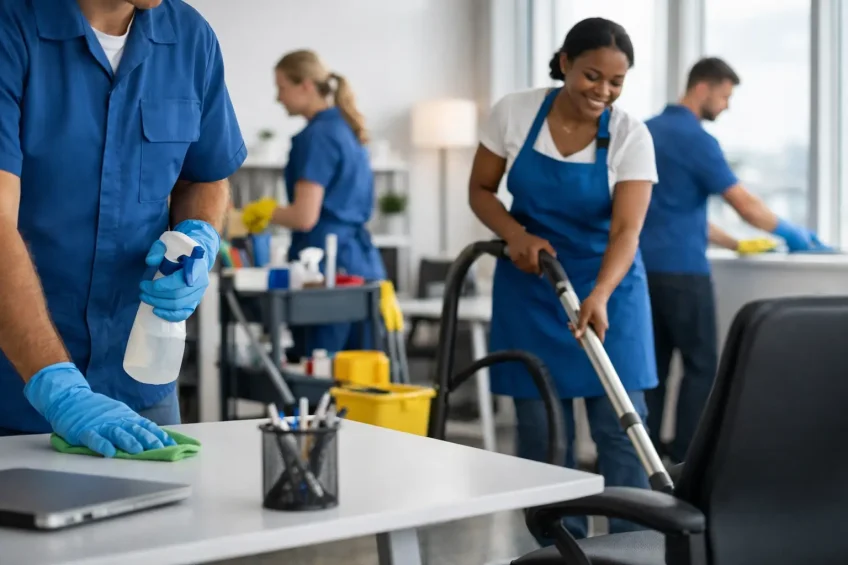
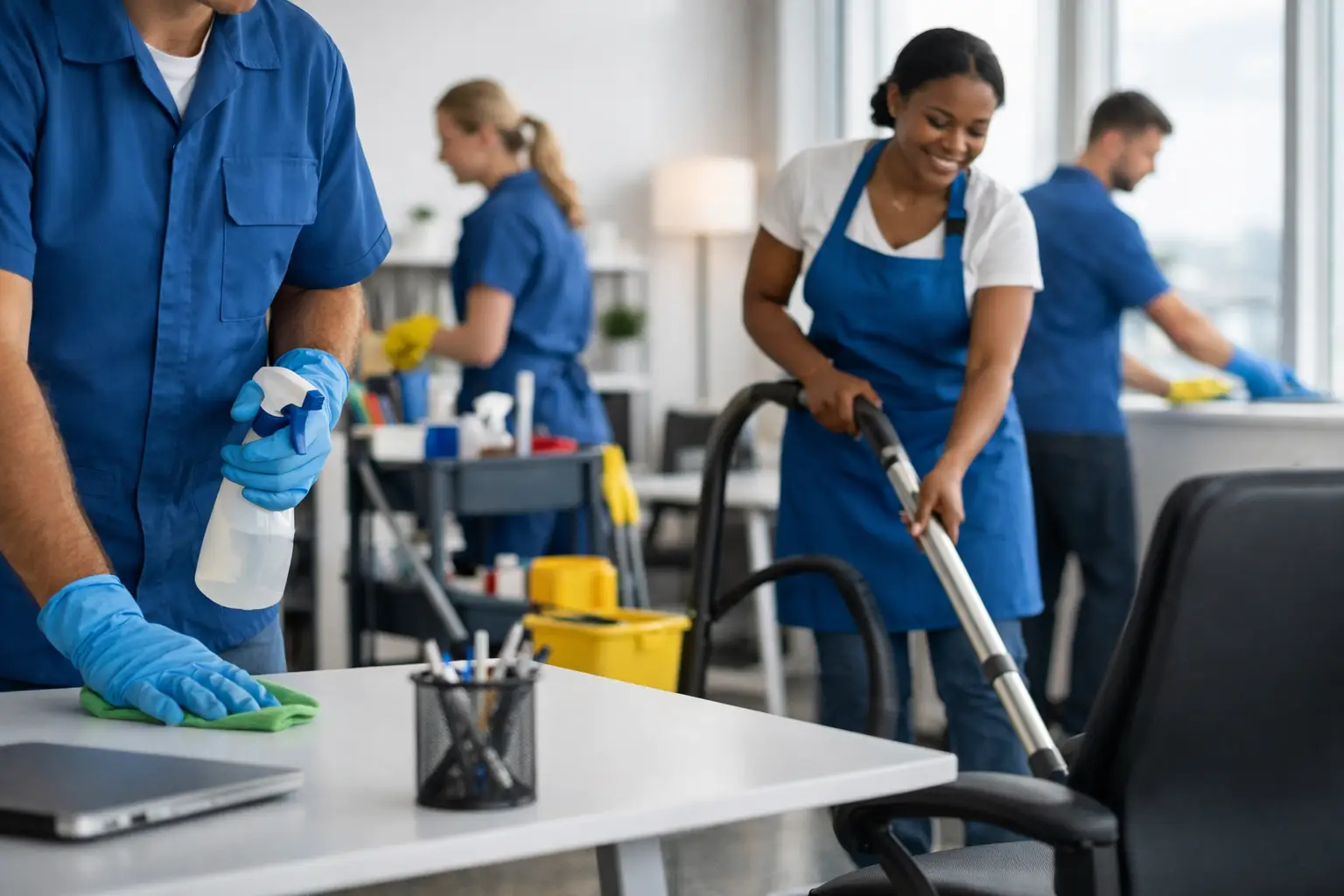
A clean office is not simply a matter of appearance. It is part of how a building performs each day: supporting employees, reassuring visitors and helping facilities teams start the next working day without avoidable issues. Effective office cleaning protects the condition of the workplace while giving managers confidence that hygiene, presentation and routine maintenance are being properly managed.
For offices across London, the right approach is rarely a standard checklist delivered at a fixed time. Different buildings, occupancy levels and working patterns call for a cleaning plan built around the site, its people and the standards the organisation needs to maintain.
Why office cleaning is an operational investment
Workplace cleanliness has a direct effect on readiness. A reception area with marked glass, full bins or neglected washrooms gives visitors an immediate impression of the business. Within the office itself, poorly maintained kitchens, touchpoints and shared spaces can quickly become a source of employee frustration.
There is also the practical issue of protecting assets. Carpets, hard floors, furniture, washrooms and IT equipment all require appropriate care. Routine attention helps prevent the gradual build-up of dirt and wear that can shorten the life of finishes or lead to more costly restorative work later. The lowest initial contract price is not always the best value if standards drift, complaints rise or reactive work becomes routine.
For facilities and operations leaders, cleaning should therefore be assessed as part of the wider workplace service. It contributes to a professional environment, supports health and safety responsibilities, and reduces the administrative burden of resolving day-to-day problems.
What a tailored office cleaning plan should cover
A reliable plan begins with a proper understanding of the premises. This includes the number of people using the building, shift patterns, visitor traffic, the layout of workspaces and the areas that carry the greatest hygiene or presentation risk. A busy office with client-facing meeting rooms needs a different service profile from a lightly occupied headquarters with specialist technical spaces.
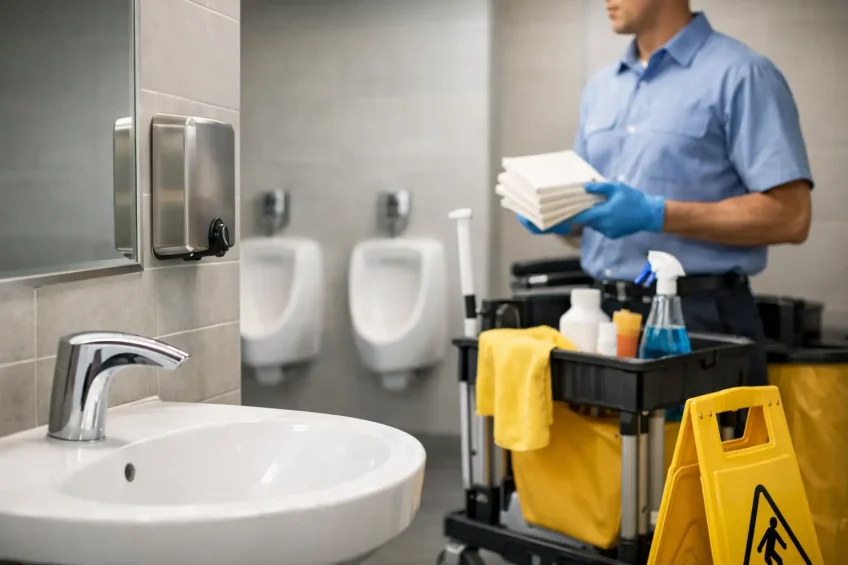
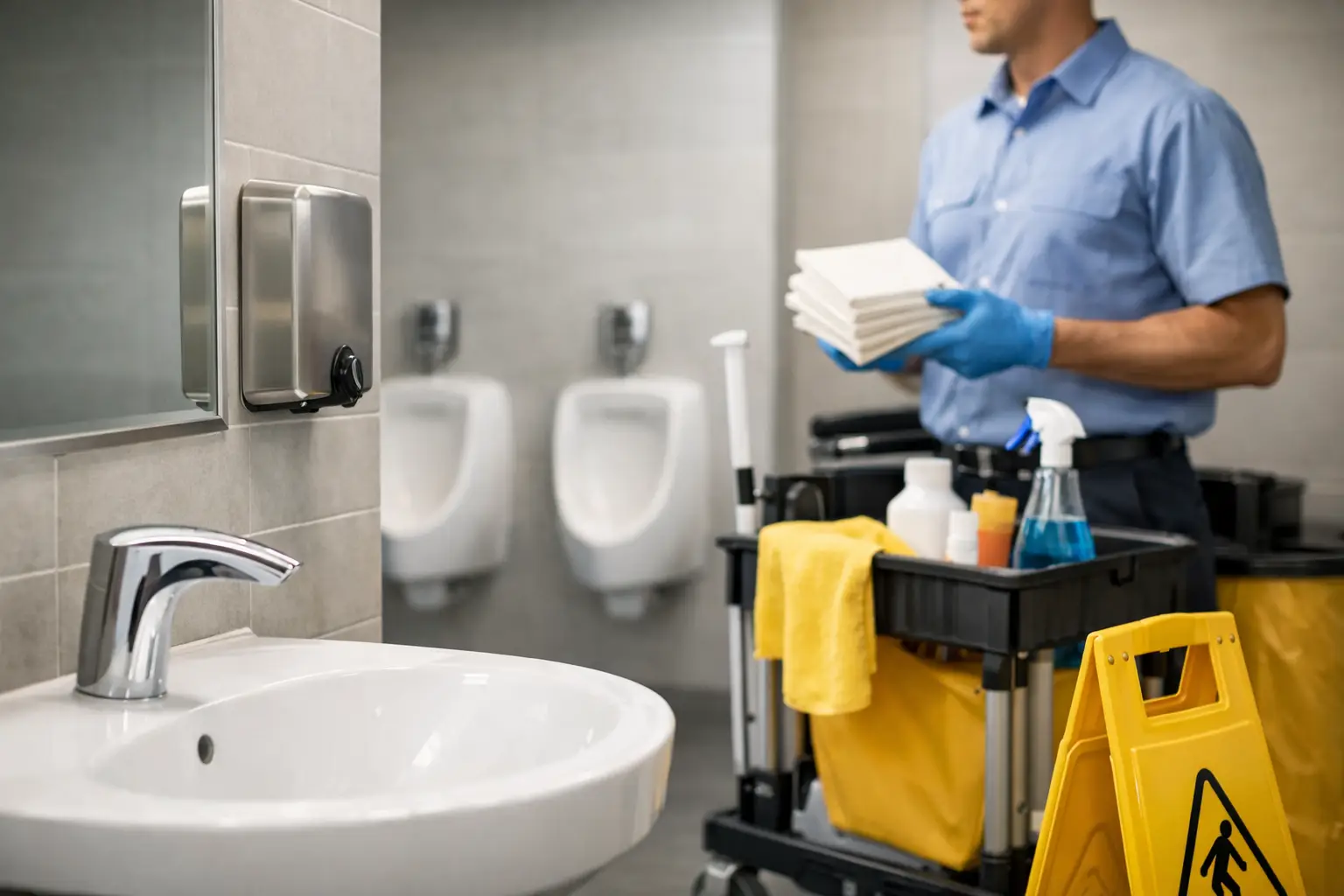
Core cleaning normally covers workstations and communal areas, kitchens, washrooms, reception spaces, meeting rooms, bins and internal glass. However, the frequency and method should be agreed according to use, not assumed. Washrooms may need repeated attention during the day, while certain back-office areas may only require scheduled evening cleaning.
A complete programme may also include specialist support where it adds value. Carpet cleaning can refresh heavily used circulation routes and meeting rooms. Hard-floor maintenance can preserve appearance and reduce damage to protective finishes. Window cleaning, consumables, laundry services and janitorial supplies can be coordinated alongside routine work, giving the site one accountable service partner rather than several disconnected suppliers.
Cleaning around how your building operates
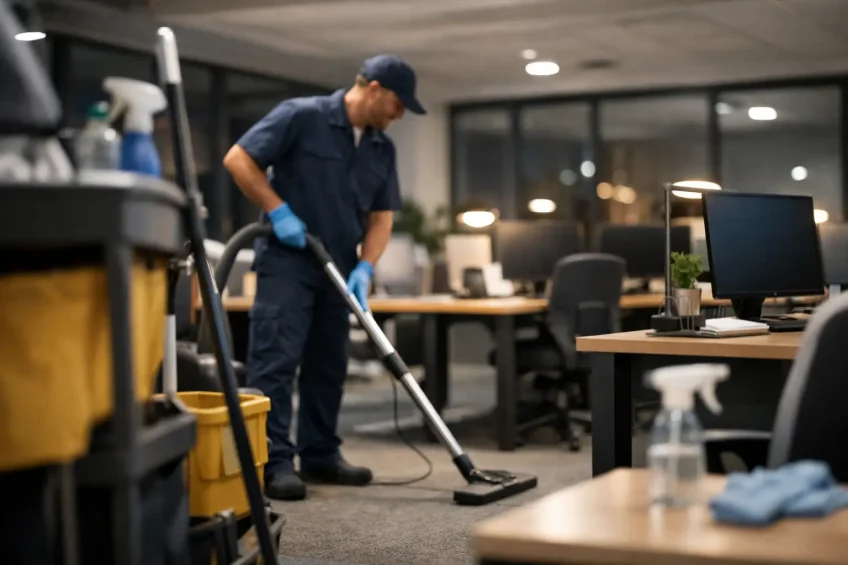
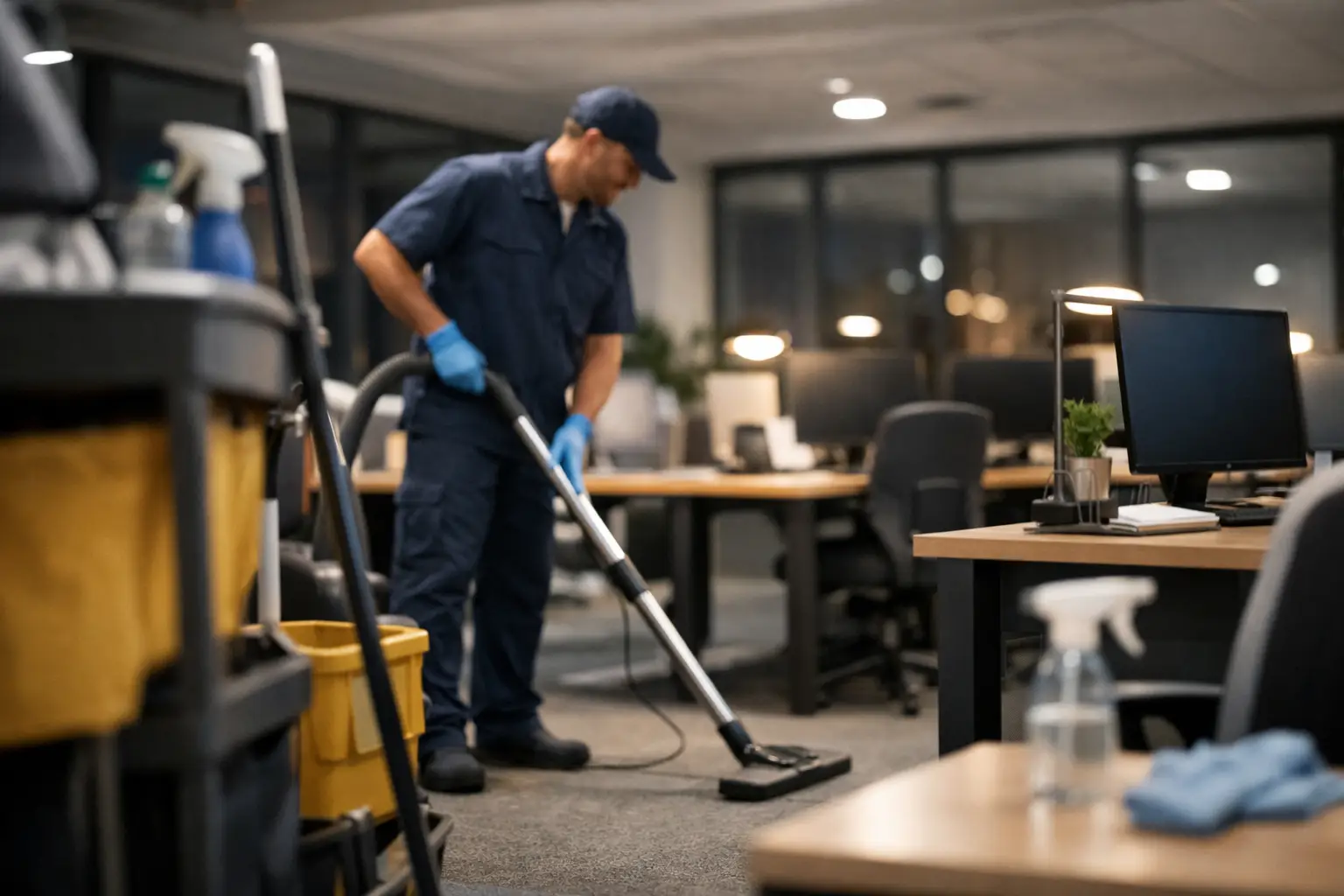
Timing matters as much as task lists. Out-of-hours cleaning often suits offices that need minimal disruption, but daytime support can be valuable in high-traffic premises where washrooms, reception areas and breakout spaces need to remain presentable throughout the day. Some sites benefit from a combination of both.
Flexibility should not mean uncertainty. The service specification should make clear what is cleaned, when it is cleaned, how standards are checked and who to contact when priorities change. This is particularly important during board meetings, events, office moves, refurbishment works or periods of increased occupancy.
Standards, training and compliance are not optional extras
Commercial premises bring responsibilities that domestic-style cleaning arrangements may not meet. Cleaning teams need appropriate training, suitable equipment and a clear understanding of the site. They should know how to work safely around employees, visitors, confidential material and sensitive areas.
COSHH procedures are central to this. Cleaning products must be selected, stored and used responsibly, with risk assessments and method statements where required. The same care applies to machinery, wet-floor controls, manual handling and access arrangements. A contractor should be able to demonstrate how these processes are managed rather than relying on informal assurances.
Formal quality control also makes a material difference. Regular inspections, documented checks and responsive contract management provide an early warning when standards fall below expectation. They create accountability for both the provider and the client, while giving facilities managers a clear route for raising issues and tracking action.
For buildings with ISO requirements or established environmental policies, cleaning practices should align with them. This can involve responsible product selection, controlled chemical use, waste-management procedures and efforts to reduce unnecessary consumption. Environmental awareness is most credible when it is embedded in everyday operations, not used as a headline without evidence.
Specialist areas need specialist care
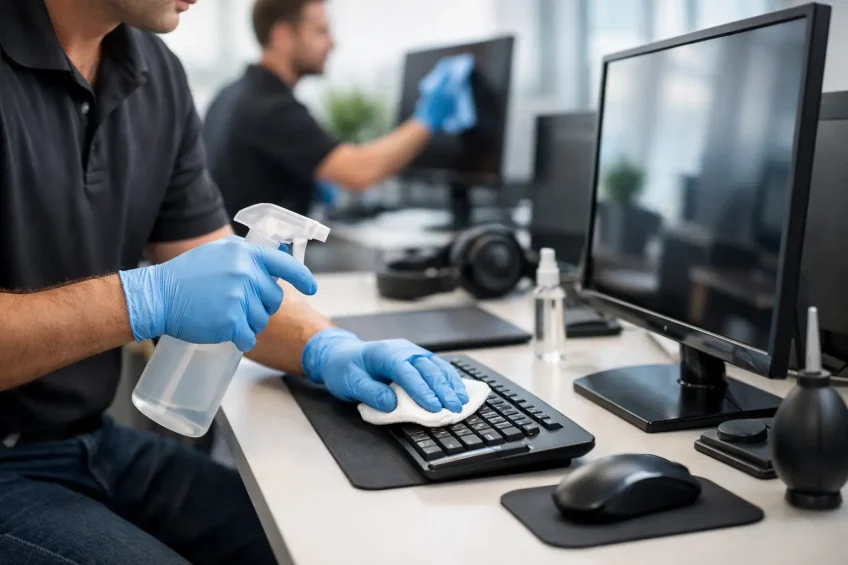
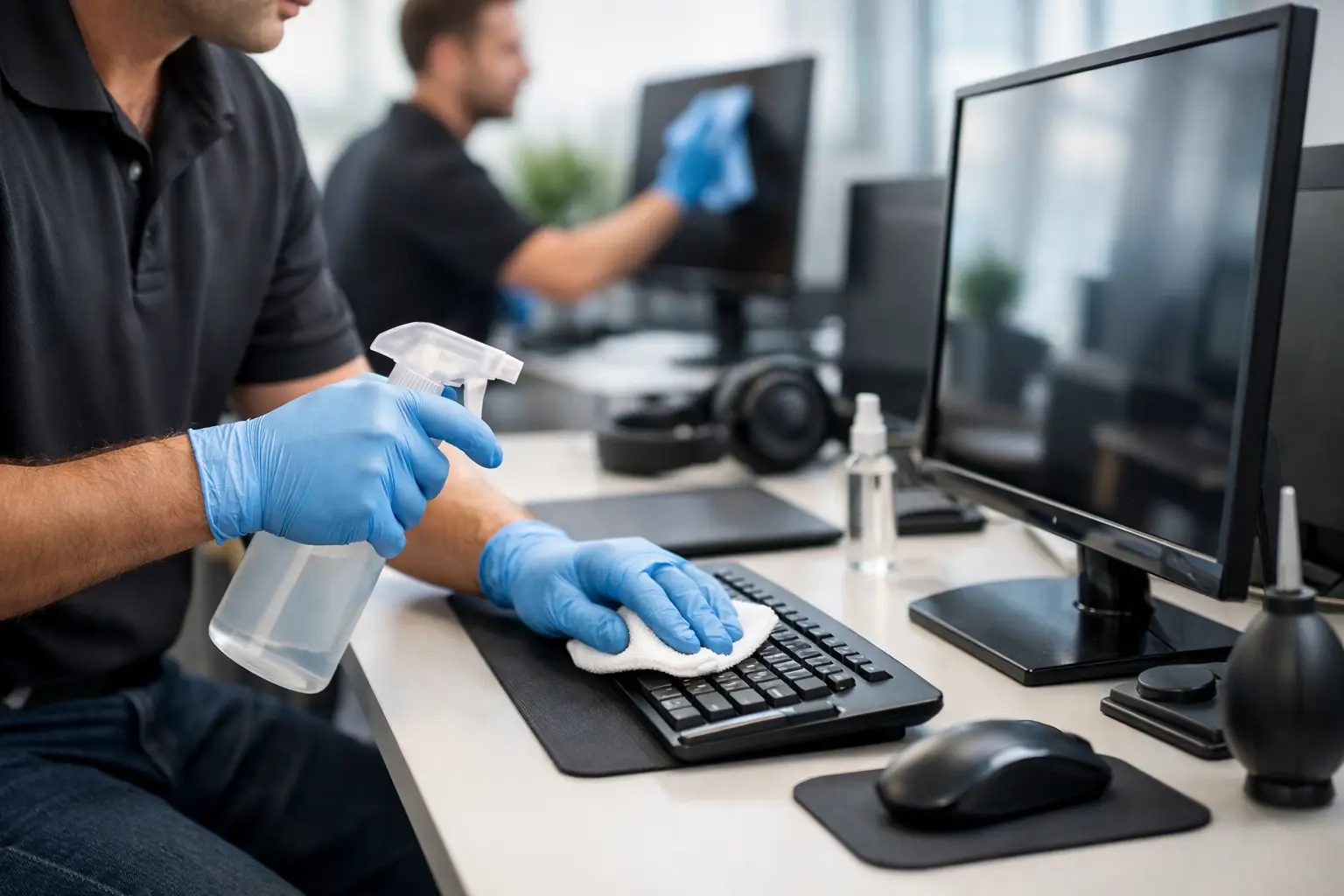
Not every part of an office can be cleaned in the same way. Server rooms, comms rooms and IT-heavy workspaces require particular caution. Dust can affect equipment performance, yet inappropriate products or careless cleaning can create a greater risk than the dust itself. Specialist computer and IT-equipment cleaning uses suitable processes to remove debris while respecting the sensitivity of the environment.
Post-build and refurbishment cleaning is another distinct requirement. Construction dust can settle far beyond the immediate work area, affecting air vents, fixtures, floors and equipment. A professional post-build clean addresses the detailed work needed to make a space ready for occupation, rather than treating it as an extension of routine cleaning.
Deep cleans and electrostatic disinfection can also be appropriate in defined circumstances, such as following building works, after an outbreak of illness or before a key reopening. These services should be selected for a clear operational reason. They are valuable additions to a hygiene plan, but they do not replace consistent everyday cleaning.
How to judge an office cleaning provider
A capable provider will ask considered questions before proposing a service. They should want to understand the building, current challenges, required frequencies, access constraints, compliance obligations and the measures that matter most to the client. A generic quotation based only on floor area may be quick, but it rarely captures the realities of a working office.
Look beyond the proposal to the people who will deliver it. Reliable operatives, regular training, clear supervision and staff recognition all influence consistency on site. Cleaning quality depends on people being properly supported, supplied and managed. High-quality equipment helps, but it cannot compensate for a team that has not been briefed or given the time to do the work correctly.
It is equally useful to establish reporting arrangements at the outset. Agree how performance will be reviewed, how incidents or additional requirements will be communicated, and how quickly the provider will respond. A good contract should make a manager’s role easier, not add another supplier relationship that needs constant chasing.
EDM Cleaning approaches this through tailored specifications, trained operatives and structured quality control, with routine and specialist services coordinated around each client’s premises and priorities.
Maintaining standards as needs change
The most effective cleaning arrangements are reviewed rather than left untouched for years. Office attendance can change, layouts can be reconfigured and new facilities can alter the workload significantly. A service that was appropriate six months ago may no longer provide the right coverage.
Regular reviews allow the cleaning plan to respond without losing control of cost or quality. Perhaps a newly opened collaboration area needs more frequent attention, or a reduction in desk occupancy means evening work can be rebalanced towards washrooms and shared facilities. Small adjustments made early are usually more efficient than waiting for service failures to become visible.
The aim is a workplace that feels consistently looked after, not one that receives attention only after a complaint. When office cleaning is planned, monitored and delivered by people who understand the site, it becomes a dependable part of business continuity – helping every area be ready for the people who rely on it tomorrow.