How to Prevent Office Mould in Commercial Buildings
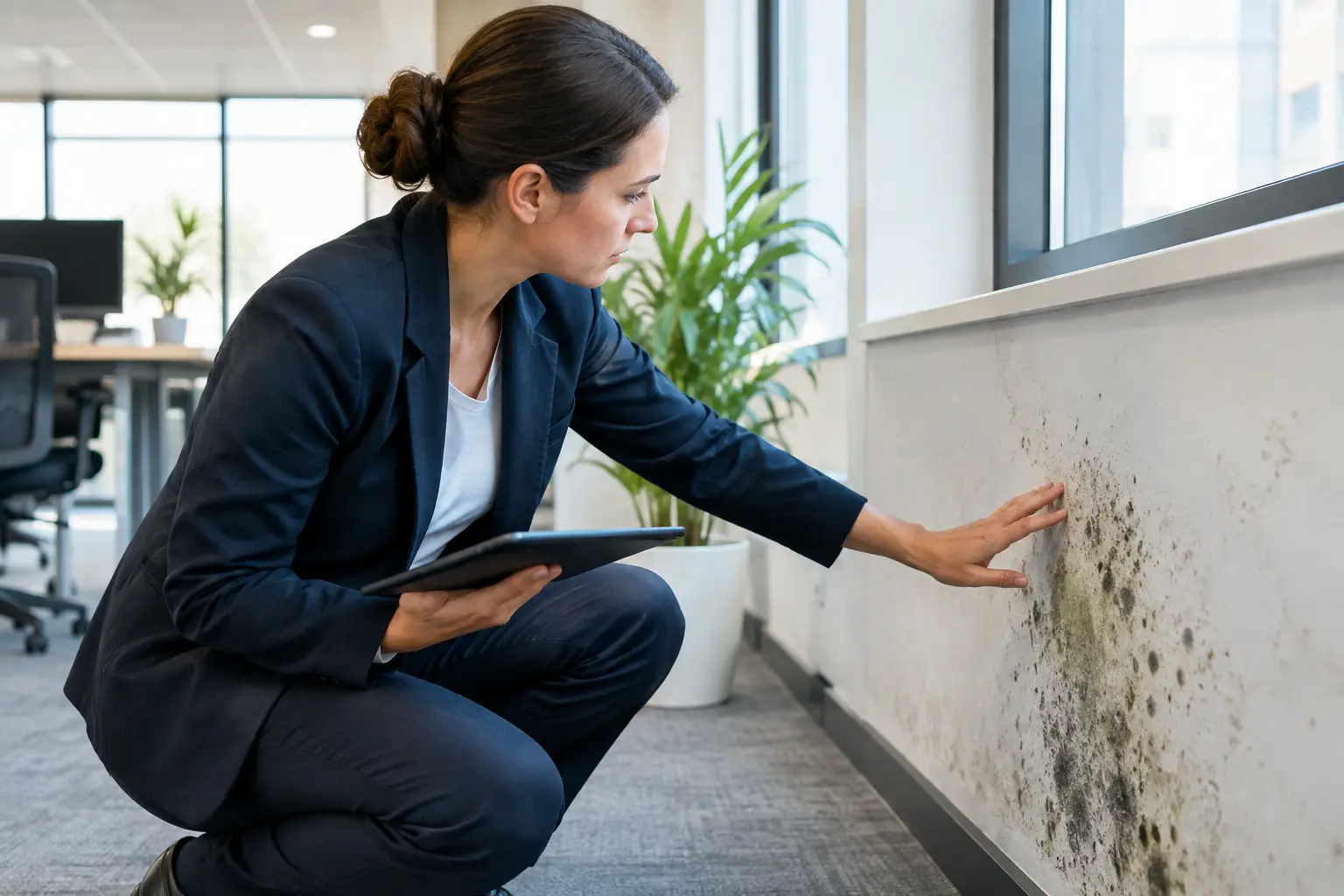
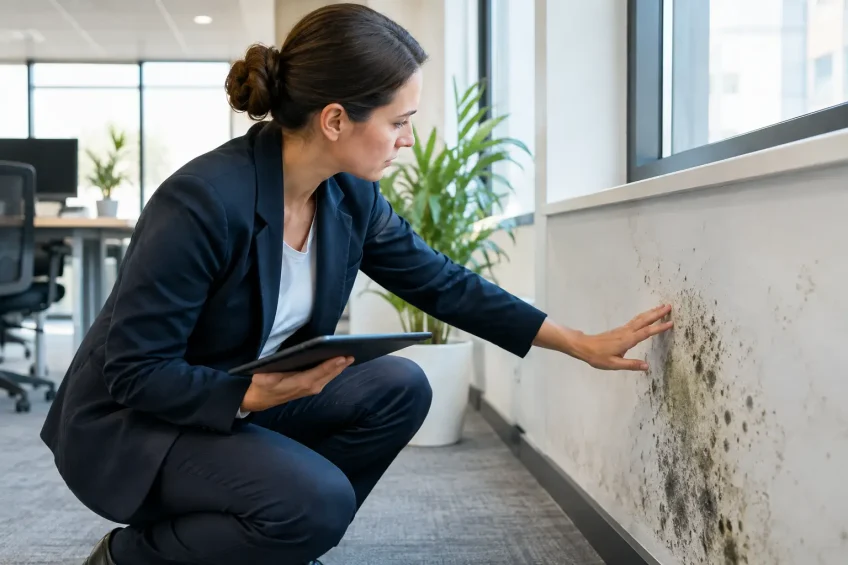
A small patch of mould beside a window, beneath a sink or behind stored furniture is rarely just a cleaning issue. It is usually evidence that moisture is remaining in the building for too long. Knowing how to prevent office mould means managing that moisture early, protecting indoor air quality, building finishes and the readiness of the workplace.
For facilities and office managers, the priority is not simply to remove visible marks. It is to identify why growth has occurred, act before it spreads, and keep a clear record of the steps taken. This is especially relevant in busy London offices, where older building fabric, sealed modern spaces, changing occupancy and wet winter weather can all affect humidity and airflow.
Why mould develops in offices
Mould spores occur naturally in the environment. They become a workplace problem when they find a damp surface, limited airflow and a food source such as dust, paper, carpet backing, plasterboard or timber. A leak is an obvious trigger, but many cases result from less visible conditions: persistent condensation on cold glazing, an overfull drying area, blocked ventilation grilles, poorly insulated pipework or a slow leak beneath a kitchen unit.
The location of the mould often provides a useful first clue. Growth around windows may point to condensation and inadequate ventilation. Mould on a ceiling tile may indicate a roof, pipework or plant-related leak. Marks on external walls or behind cabinets can suggest cold bridging, limited air circulation or water ingress. Cleaning without investigating the source can make the area look better temporarily, but it will not resolve the underlying risk.
How to prevent office mould through moisture control
The most reliable approach is to keep water out, remove moisture promptly and ensure damp areas dry fully. Facilities teams should include moisture checks within planned building inspections rather than waiting for a colleague to report a smell or visible growth.
Pay particular attention to kitchens, washrooms, cleaners’ cupboards, plant rooms, risers, basement storage, shower areas and zones around air-conditioning units. These spaces have greater exposure to water and can be overlooked when they are not part of the main office floor.
A practical inspection should cover the following points:
- Leaks from taps, waste pipes, radiators, roofs, windows and air-conditioning condensate lines.
- Condensation on glazing, frames, cold water pipes and external walls.
- Damp or stained ceiling tiles, loose flooring, bubbling paint and discoloured sealant.
- Water held in drip trays, blocked drains or equipment that is not draining correctly.
- Stored items pushed tightly against cold walls, preventing air from circulating.
Leaks should be reported and repaired without delay, even when the affected area appears minor. A slow leak can saturate materials out of sight and create a larger remediation task later. After a spill, leak or flood, the affected material needs to be dried thoroughly, not merely surface-cleaned. Absorbent materials such as carpet, insulation, paper records and ceiling tiles may need professional assessment depending on how wet they are and how long they have remained damp.
Ventilation needs to work in practice
Ventilation is a key control, but having a system installed is not the same as achieving effective airflow. Supply and extract grilles can become obstructed by furniture, files or dust. Meeting rooms, internal offices and heavily occupied zones may retain humidity when systems are poorly balanced or do not operate for long enough.
Work with the building management or maintenance provider to confirm that ventilation systems are operating as intended, filters are maintained and condensate drains are clear. In naturally ventilated offices, window opening arrangements should be realistic for the season and the building’s security requirements. Where opening windows is not practical, mechanical ventilation becomes even more significant.
Humidity monitoring can help move decisions beyond guesswork, particularly in basements, archives, server-adjacent spaces and areas with recurring condensation. Relative humidity should be reviewed alongside temperature, occupancy patterns and reports from users. Dehumidifiers can be useful as a short-term control or in a specific problem area, but they should not become a substitute for repairing leaks or correcting poor ventilation.
Clean in a way that does not add moisture
Routine cleaning supports mould prevention by removing dust and organic debris that can support growth, while making early warning signs easier to spot. However, excessive water during cleaning can worsen the problem in poorly ventilated areas or on unsuitable floor finishes.
Cleaning specifications should match the surface and the room. Hard floors should be cleaned with controlled moisture and left dry within an appropriate period. Carpet cleaning should use methods and scheduling that allow sufficient drying time, with airflow managed afterwards. Washrooms and kitchens need regular attention to sealant, grout, splash zones and undersides of sinks, where repeated dampness can go unnoticed.
Cleaning teams are often among the first people to see staining, condensation, damaged finishes or unusual odours. A clear reporting route matters. Operatives should know what to record, who to notify and how to isolate a leak or affected area safely where necessary. This turns cleaning from a reactive task into part of the building’s preventative maintenance process.
Manage storage, furniture and occupied areas
Office layouts can create concealed moisture traps. Cabinets placed directly against external walls, boxed-in pipework and densely packed store rooms restrict airflow and make inspections more difficult. Leave a practical gap between stored materials and walls, particularly in basement rooms or spaces with a history of dampness.
Avoid storing cardboard, paper files or textiles directly on the floor in utility areas. Use shelving or pallets where appropriate and make sure cleaners and maintenance teams can access the perimeter of the room. If records must be retained in a lower-ground location, monitor the space more frequently and respond quickly to any musty odour or change in humidity.
Employee behaviour also has a role. Wet umbrellas, coats and footwear can introduce a surprising amount of moisture during poor weather. Designated drying areas should be ventilated and checked regularly. Encourage staff to report water stains, persistent condensation and musty smells rather than assuming someone else has already raised them.
Respond properly when mould is found
Visible mould should be treated as a maintenance issue as well as a hygiene concern. The appropriate response depends on the extent of growth, the affected material and the likely cause. A small, localised area on a hard, non-porous surface may be addressed through safe cleaning and drying once the moisture source has been resolved. Larger areas, repeated growth or contamination of porous materials require a more controlled assessment.
Do not paint over mould, conceal it with furniture or rely on fragrance to mask an odour. These measures delay action and can make the source harder to identify. Areas affected by significant leaks or suspected contamination should be assessed by competent professionals, with access restricted if required while work is completed.
Document the report, inspection findings, remedial work and follow-up checks. This provides accountability, helps identify recurring patterns and gives facilities managers a clearer basis for discussions with landlords, maintenance contractors and building management teams.
Build prevention into the cleaning and maintenance plan
Office mould prevention works best when cleaning, maintenance and workplace management share information. A tailored cleaning plan can include checks in higher-risk areas, defined reporting procedures and periodic deep cleaning where dirt, moisture and restricted access have built up over time. It should sit alongside planned preventative maintenance for HVAC, plumbing, roofing and drainage rather than operate separately from it.
EDM Cleaning supports commercial premises with trained operatives, documented quality controls and flexible cleaning programmes designed around how each site operates. For facilities teams, that means a reliable set of eyes on the workplace as well as cleaning delivered to a professional standard.
The most effective mould prevention is rarely dramatic. It is the consistent work of noticing a drip, clearing a grille, drying a spill properly and acting on an early report before a small damp patch becomes a disruption to the working day.